How to Build a High-Impact SaaS Video Marketing Strategy in 2026
Published Jul 22, 2026

Video marketing for SaaS in 2026 is no longer a supplementary channel. It has become the primary format buyers prefer for evaluating products, learning categories, and comparing vendors. This guide covers the six video types that actually produce pipeline for SaaS companies, realistic production benchmarks, distribution strategy, and how to measure impact. Written for SaaS founders and marketing leaders who need video to earn its budget rather than just look nice.
Why Video Matters More for SaaS in 2026
Three shifts make video more valuable now than three years ago. First, buyers form vendor preference on YouTube and LinkedIn video before ever engaging sales. Second, AI-generated text content has degraded the perceived value of most written content, while video retains authenticity signals. Third, product demo videos are now often the first sales asset a champion shares internally, replacing decks.
Data point: LinkedIn video posts in 2026 get 5 to 8 times the engagement of text-only posts. Product-focused YouTube channels for SaaS companies produce 3 to 10 times the qualified pipeline of equivalent blog content when measured over 12 months.
The 6 Video Types Every SaaS Should Produce
1. Product Explainer (60 to 90 seconds)
The evergreen "what does your product do" video that lives on your homepage. Explains the problem, the solution, and the outcome in 60 to 90 seconds. Rewatched by prospects, shared by customers, and quoted in AI search citations. Production budget: $2,000 to $8,000 for professional; $0 to $500 for founder-recorded high-quality DIY.
2. Product Demo (5 to 15 minutes)
The detailed walkthrough that champions share internally. Covers workflows, key features, and integration points. Best when narrated by a product expert (founder, PMM, or CS lead) rather than a marketer. Production budget: low (screen recording plus voiceover); iteration budget: refresh every 6 months.
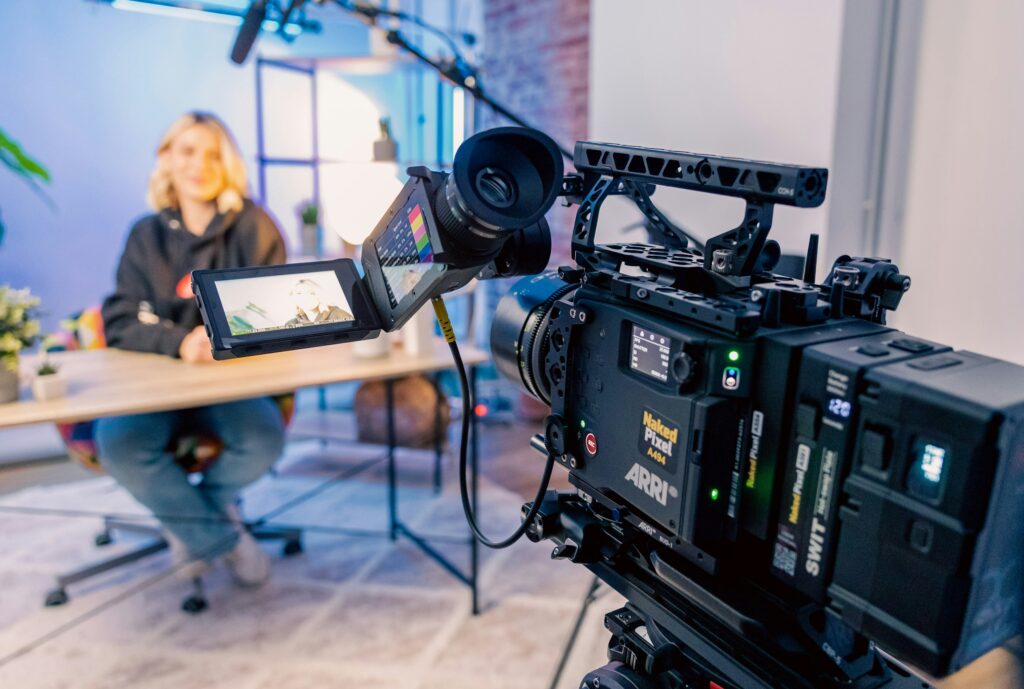
3. Customer Case Study Video (2 to 4 minutes)
Real customer talking about a real outcome with real numbers. The highest-converting format for consideration-stage prospects. Production budget: $1,500 to $5,000 for professional; $500 for high-quality Zoom-recorded and edited.
4. Founder or Executive Thought Leadership (2 to 5 minutes)
Regular posts on LinkedIn and YouTube where the founder or a senior executive addresses a specific problem or trend in the category. Builds credibility over time. Production budget: $0 to $200 per video with a decent phone and lighting kit.
5. Educational Content (5 to 15 minutes)
Videos that teach the audience something useful independent of your product. Positions the brand as an authoritative educator. Compounds on YouTube over time. Production budget: $500 to $2,000 per video for professional editing.
6. Customer Onboarding and Success Content (variable length)
Videos that reduce time-to-value for new customers and answer common questions. Directly improves retention and reduces support load. Production budget: low; ownership: customer success plus product marketing.

Realistic Production Budget for SaaS Video
Total first-year video budget for a growth-stage SaaS: $30,000 to $80,000 covering one professionally-produced explainer, refreshed product demo, three customer case studies, weekly founder LinkedIn videos, and monthly educational YouTube content. Below $30,000 and quality suffers noticeably; above $80,000 diminishing returns kick in fast for growth-stage teams.
Alternative: video-first agencies now offer subscription-style production ($3,000 to $8,000 per month) that covers 4 to 8 videos monthly. Good option for teams without a dedicated video producer.
Distribution Strategy: One Video, Ten Placements
The biggest waste in SaaS video is producing videos that only appear in one place. Every video should have a 10-placement distribution plan: YouTube, LinkedIn (native), homepage embed, blog post embed, email newsletter, sales enablement library, partner sharing, paid social amplification for top performers, product page embed, and internal training material.
Measurement: What Video Actually Moves
Track four metrics per video: views (awareness), watch time (interest), click-through to product page or demo request (consideration), and attributed pipeline (revenue). Only the last matters for budget decisions; the first three predict it.
Benchmark for SaaS videos in 2026: top-performing videos produce 20 to 100 qualified pipeline conversations per 10,000 views. Below that ratio, either the audience is wrong or the CTA is unclear. Fix both before increasing production volume.

How to Get Started With Video When You Have No Budget
Video does not require a professional studio to start. A modern iPhone, a $50 microphone, a $30 ring light, and a quiet room are enough to produce founder LinkedIn videos that outperform many agency-produced pieces. The bar for "good enough" in 2026 is authenticity plus audio quality; visual production quality matters less than the substance of what is said.
Practical zero-budget starter kit for a SaaS founder: iPhone 15 or newer on a tripod, Rode VideoMic Me lavalier mic ($60), Elgato Ring Light Mini ($30), Descript or Riverside for editing (free tier). Total investment: under $200. Time to first published video: one week. Six months of consistent output at this quality level produces a real content library.
Repurposing Video Across Formats
One long-form video should become at least 8 pieces of content. A 15-minute customer case study video becomes: 1 long-form YouTube upload, 3 LinkedIn short clips (60 to 90 seconds each), 1 audio-only podcast episode, 1 blog post transcription, 2 email newsletter segments, 1 sales enablement asset. Same production effort, 8 times the distribution.
Teams that master repurposing produce 3 to 5 times more measurable output from the same video production budget. Repurposing is the discipline that separates SaaS teams with real video presence from teams that produce videos nobody sees.
How AI Is Changing SaaS Video in 2026
Three shifts worth knowing. First, AI-assisted editing tools (Descript, Opus Clip, Riverside) now cut post-production time by 60 to 80 percent for social clips. Second, AI-generated captions and translations are professional-grade, making video accessible in multiple languages without additional cost. Third, AI-driven video analytics can now identify which specific moments in a video produce viewer drop-off, enabling data-driven editing decisions.
Practical implication: the production cost for high-quality SaaS video has dropped 50 to 70 percent since 2023 while quality expectations have risen. Teams that adopt the new AI-assisted workflow produce more, better video for less money.
Video Distribution Across the B2B Funnel
Different video types serve different funnel stages. Product explainers serve awareness (first exposure). Educational content serves interest (returning research). Case studies serve consideration (shortlist evaluation). Product demos serve purchase (final decision). Onboarding videos serve retention (early customer success). Customer testimonials serve advocacy (referral generation).
Mapping your video library to funnel stages reveals gaps. Most SaaS teams over-produce awareness videos and under-produce consideration and retention videos. The gap analysis is worth doing quarterly.
Common Mistakes in SaaS Video Marketing
Over-producing. A great phone-recorded founder video often outperforms a mediocre agency-produced polish piece.
Under-distributing. Producing videos without a 10-placement plan wastes 90 percent of the investment.
Copying B2C tactics. B2B video buyers want substance and specifics, not entertainment. Do not chase TikTok energy in an ABM video.
Neglecting captions. Most B2B video is watched without sound. Captions are not optional.
Skipping YouTube. LinkedIn is where prospects find you; YouTube is where they research you. Both matter.
Frequently Asked Questions
Which video type should a SaaS produce first?
The product explainer (homepage-embedded 60 to 90 second video) has the highest ROI as first investment. It touches every visitor and every prospect. Get that right, then build out the other five types.
Do SaaS companies really need YouTube channels?
Increasingly, yes. YouTube functions as a search engine for B2B research in 2026. A SaaS with a well-maintained YouTube channel producing monthly educational content gets found in research phases that pure blog-based competitors miss.
How often should we produce new videos?
Weekly for LinkedIn short-form (founder content). Monthly for YouTube long-form. Quarterly for major asset refreshes (explainer, demo). Do not produce more than you can distribute; distribution matters more than volume.
Should we hire a video producer or use an agency?
In-house producer becomes valuable at $2M+ ARR when video volume justifies a full-time hire. Below that, subscription-style video agencies or freelance producers offer better economics.
What is the biggest video mistake SaaS companies make?
Producing videos that never leave the marketing team's Google Drive. Distribution discipline separates video budgets that produce pipeline from video budgets that produce vanity.
One useful frame: video quality should match the platform, not exceed it. A LinkedIn selfie video from the founder often outperforms a polished agency-produced YouTube video for that specific channel. Overproducing where authenticity matters is a common expensive mistake.
SaaS video marketing in 2026 has moved from optional to essential. Companies that treat video as a core content format rather than a supplementary asset consistently produce more pipeline, better retention, and stronger brand than peers relying on text alone. Start with the product explainer, add founder LinkedIn video weekly, produce three customer case studies in the next 90 days, and distribute every video across ten placements. That single pattern produces the compounding video presence most SaaS companies aspire to but few actually build.
Ready to build a SaaS video strategy?
Tell us where you are today across the six video types. We will help you prioritize the highest-return format and scope a 90-day production plan.
Affiliate Disclosure
This article may contain affiliate links or sponsored content. If you click on a link and make a purchase, we may earn a commission at no additional cost to you. We only recommend products and services we believe provide genuine value to our readers.
Full Disclosure: As an affiliate partner, we participate in various affiliate programs and may receive compensation when you purchase through our links. This helps support our content creation and keeps our resources free for the community.