How to Build a B2B Marketing Engine That Works While You Sleep
Published Jul 17, 2026

A B2B marketing engine is not a fancier name for automation. It is a structured combination of content, lead capture, nurture, scoring, and reporting that produces qualified pipeline continuously without founder intervention. This guide walks through what a real engine looks like in 2026, the six components required, how to build it in 90 days, and the specific metrics that tell you it is actually working. Written for B2B founders and marketing leaders who need pipeline to arrive without watching every campaign every day.
What Is a B2B Marketing Engine?
A B2B marketing engine is a system where content, capture, nurture, scoring, and reporting are wired together so that a prospect can move from first exposure to sales-qualified without a marketer manually pushing them through each stage. The word "engine" is deliberate: engines produce output continuously as long as they have fuel.
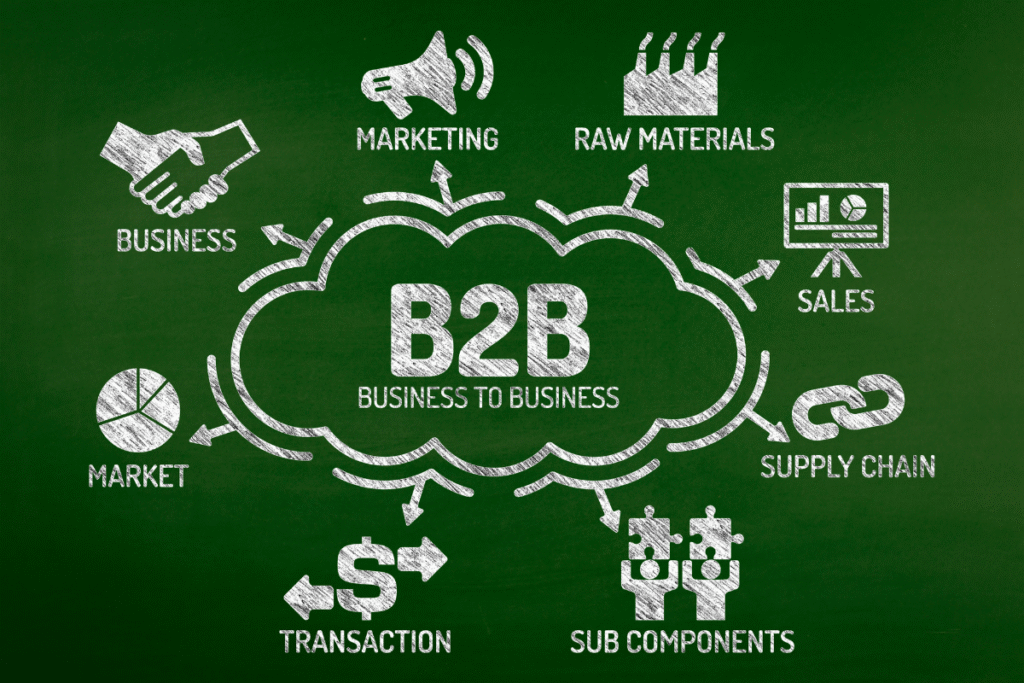
Fuel in a marketing engine is content and traffic. Once you have both, the engine turns them into qualified pipeline automatically. Without the engine, the same content and traffic produce sporadic results because there is no structured path from awareness to action. Building the engine is what turns marketing from firefighting into predictable production.
Why Is Automation Essential in B2B Marketing?
Three reasons. First, B2B sales cycles are long (30 to 180 days), and manual nurture is impossible at any meaningful volume. Second, buying committees involve 5 to 12 people, and personalized touches for each member require systematic tooling. Third, small B2B teams cannot scale headcount fast enough to serve growing pipeline, so automation becomes the way to serve pipeline that headcount cannot.

Automation is not about removing humans from the process. It is about removing humans from the repetitive parts so they can focus on the parts that actually need judgment. The engine handles the repeatable work; the team handles the strategic and relational work.
The 6 Components of a B2B Marketing Engine
1. Content That Attracts Qualified Traffic
The engine needs fuel. Fuel is content that ranks in search (traditional and AI-driven), gets shared on social, and shows up in industry newsletters. Publish weekly at minimum, cover buyer questions specifically, and structure content to be citation-worthy in AI search (see our GEO guide).
2. Lead Capture Infrastructure
Traffic without capture is wasted fuel. Every page should have a clear conversion path (demo request, newsletter, gated resource, calculator). Use HubSpot Forms or native form builders in your CMS; sync directly to CRM. Track conversion rate on every capture point weekly.
3. Progressive Profiling
Do not ask for everything upfront. Capture email on the first visit, add company name on the second engagement, add role and challenge on the third. Progressive profiling doubles conversion rates versus long initial forms while still producing rich data over time.
4. Nurture Sequences by Segment
Automated email sequences that deliver value across 4 to 12 weeks. Segment by ICP fit (ideal target vs. not yet), by stage (aware, considering, evaluating), and by role (economic buyer, end user). Send content that matches where they are, not generic newsletters.
5. Lead Scoring That Actually Predicts Fit

Score based on both fit (firmographics matching your ICP) and behavior (visits, downloads, demo requests). Sales gets notified when a lead crosses a threshold. Tune the model quarterly using closed-won data to refine which signals actually predict revenue. Poorly-tuned scoring is worse than no scoring; it wastes sales time.
6. Continuous Reporting and Optimization
Weekly review of five metrics: traffic to conversion rate, marketing qualified leads per week, sales qualified leads per week, MQL to SQL conversion, and revenue sourced by marketing. Optimize the biggest drop-off between stages each quarter. Set annual budget based on ratios these metrics reveal.
How to Build the Engine in 90 Days
Days 1 to 15: audit current state. What content exists, what capture points, what nurture, what scoring. Days 16 to 30: fix content gaps in the top three buyer questions. Days 31 to 45: implement lead capture on every page and progressive profiling. Days 46 to 60: build two nurture sequences (aware and considering). Days 61 to 75: implement lead scoring with initial signals. Days 76 to 90: set up weekly reporting cadence and tune based on first data.
Ninety days is enough to have all six components live. Six to twelve months of continued optimization is what turns "live" into "producing measurable pipeline." Do not expect step-function improvement in 90 days; expect the foundation to be in place so improvement can start compounding.
The Tools Required for a B2B Marketing Engine
Minimum viable stack: HubSpot (or Salesforce plus Pardot) for CRM plus marketing automation, a CMS with dynamic content (WordPress, Webflow, or Next.js custom), Google Analytics 4 for measurement, and Zapier for cross-tool automation. Total tool cost: $500 to $2,000 per month for a small team.
Above $5M ARR, add: dedicated data warehouse (Snowflake, BigQuery), reverse ETL to sync warehouse to CRM (Hightouch, Census), and specialist tools for ABM (Clay, 6sense). Below $5M, the minimum stack is enough.
How to Know Your Engine Is Working
Six signals: MQLs per week is growing month over month, MQL to SQL conversion is stable or improving, cost per MQL is declining as content compounds, sales team stops asking "where are my leads?", pipeline sourced by marketing is above 30 percent of total, and revenue attributable to specific content pieces is measurable and growing.
Absence of these signals after 6 to 9 months means the engine has a broken component. Diagnose the specific stage that is failing (content, capture, nurture, scoring, reporting) and fix that stage before adding more automation elsewhere.
Common Mistakes When Building a B2B Marketing Engine
Building automation before content. Automating the delivery of nothing produces nothing at scale.
Over-scoping the first version. Ship a working engine with two nurture sequences before adding twelve.
Skipping lead scoring calibration. Untuned scoring is worse than no scoring.
Not aligning with sales. Sales must trust MQL definitions or the engine's output gets ignored.
Measuring inputs instead of outputs. "We sent 10,000 emails" is not a marketing outcome. "We produced $200K in pipeline" is.
Frequently Asked Questions
Do we need marketing automation software for a B2B marketing engine?
Yes. HubSpot Starter (from $20/month) is the minimum viable platform. Below that, spreadsheet-based tracking becomes unmanageable within 3 months. HubSpot Professional or Marketo become worth the cost above $5M ARR.
How long does it take to build a real B2B marketing engine?
90 days to get all six components live. 6 to 9 months for the engine to produce measurable pipeline improvements. 12 to 18 months for the engine to become the primary pipeline source for the business. Expect the compounding phase after month 9.
Can we build the engine without a dedicated marketing operator?
Below $500K ARR, yes, the founder can run it 5 to 10 hours per week. Between $500K and $2M, a fractional marketing operator or specialist contractor accelerates. Above $2M, dedicated in-house marketing operator becomes worth the hire.
How do we align sales and marketing on the engine?
Define MQL and SQL criteria in writing, jointly with sales. Review these definitions monthly for the first quarter. Track handoff conversion rates and root-cause any leads sales rejects. Weekly sales-marketing alignment meetings (30 minutes, focused) for the first six months of running the engine. Alignment does not happen by chance; it happens through structured, recurring conversation.
What is the biggest cause of B2B marketing engine failure?
Skipping content production. The engine cannot process fuel it does not have. Teams that build sophisticated automation on top of one blog post per month underperform teams with basic automation and weekly content production.
How do we know when to invest in a bigger platform (Marketo, Pardot)?
When HubSpot's limitations start actively blocking specific workflows you need. Common triggers: complex ABM programs, multi-brand management, or Salesforce-native workflows that HubSpot cannot handle. Do not migrate for feature envy; migrate for specific blocked workflows.
One useful reframe: think of the engine as a factory floor, not a magic box. Every component has an owner, a maintenance schedule, and a measurable output. When something breaks, you know which station to fix. That mental model transforms marketing from art project into operational discipline, and the discipline is what produces the pipeline the art project never quite delivered. Adopt the factory frame and the engine becomes something you can actually run.
A B2B marketing engine is not just a marketing automation subscription. It is a structured combination of content, capture, nurture, scoring, and reporting that produces pipeline while you sleep, once fully built and running. The build takes 90 days for the foundation to land and typically 12 months for the compounding effect to appear in your pipeline reports. B2B teams that commit to the engine outperform teams running marketing as a series of one-off campaigns by wide margins over any 24-month period.
Ready to build your B2B marketing engine?
Tell us what components you have today and where the pipeline breaks. We will help you scope a 90-day build that stands up all six components.
Affiliate Disclosure
This article may contain affiliate links or sponsored content. If you click on a link and make a purchase, we may earn a commission at no additional cost to you. We only recommend products and services we believe provide genuine value to our readers.
Full Disclosure: As an affiliate partner, we participate in various affiliate programs and may receive compensation when you purchase through our links. This helps support our content creation and keeps our resources free for the community.